Education Research Chapter: Instrument Choosing Instrumental Learning: Selecting the right instrument.
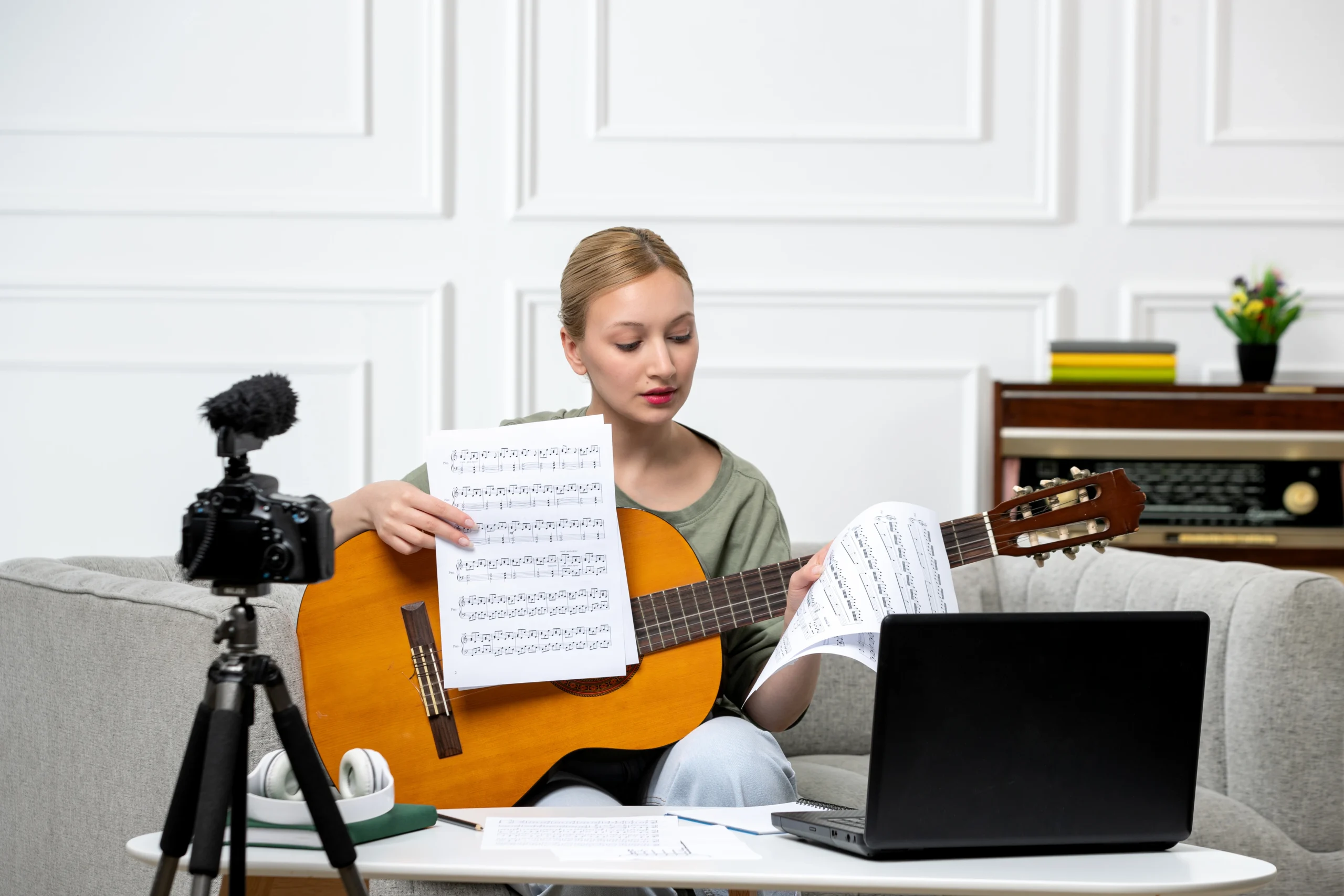
Selecting an instrument is a critical factor since the appropriate instrument enables the learning process to be fun and the inappropriate instrument can result in frustration and lack of consistency. Most novices purchase instruments according to trends, social media or peer pressure but the true measure of success is whether the instrument fits your lifestyle, learning style and setting. Every instrument has its learning curve, physical needs and practice needs. Music awareness assists learners to make wise choices such that they remain consistent and find the learning process to be fun in the long run. The most suitable instrument is not necessarily popular it should be the one you can practice regularly.
Stylish suede loafers women love are perfect for everyday wear, offering comfort and effortless elegance. Whether you prefer flat suede designs for a relaxed look or chic suede boots for a bold statement, suede footwear adds a soft, luxurious touch to any outfit.
Personal interest is the first thing to be taken into consideration. When you have the actual interest in listening to an instrument, it becomes simpler to practice since one will like the process. As an illustration, in case you like emotional melody, keyboard can interest you. Guitar can be natural to you, in case you love rhythm and strumming. Consciousness informs the learners that hard is not important but interest. Interest generates consistency.
There is also the aspect of lifestyle and schedule. There are those instruments that require more time daily practice to get used to and those that can be practiced in short time. An example of this is, it is easy to practice the keyboard with headphones and it can be done quietly, thus convenient to do on a daily routine. The sound of acoustic instruments can inconvenience other people, in case you occupy a common space. Such instruments as violin need regular tuning and practice time. Awareness music helps the learners to make a selection in accordance with the actual routine. An implementable tool preference minimizes the number of excuses and maximum success.
Another reason is the budget and maintenance. Certain instruments need regular maintenance, accessories and tuning. An instrument that is of low quality and plays badly will demoralize the learners since it is difficult to play a good sound. An initial instrument enhances the learning process and minimizes frustration. There is music awareness that implies purchasing a cheaper and yet quality alternative as opposed to purchasing the lowest quality available. A well tone is something that inspires practice. A poor sound kills interest.
Learning curve also differs. Guitar needs finger power and chord change practice which may be painful at the start. Keyboard involves the use of right hand and left hand coordination together with rhythm control. Drums need rhythm precision and endurance. Singing also needs confidence, control of breathing and awareness of pitch. Consciousness helps learners to understand that it is not worth giving up in case of initial difficulties. In the initial stage, all instruments are a challenge. Challenging a course is a short-term effort, which makes it easier.
The environment matters too. When you are at home practicing, you require room, and time to yourself. Keyboard is compact, guitar can be carried around, but drums have to be installed. The music awareness promotes the use of instruments that suit home set ups. In the case that practice is hard to handle at home, then you will practice less. Home comfort contributes towards regularity. Uniformity facilitates enhancement.
There is also the matter of instrument choice basing on goals. There are individuals who would like to sing and accompany themselves, and therefore guitar or keyboard would be the best. Others desire to play classical music thus violin or flute can be appropriate. Others desire to produce music digitally, and hence MIDI keyboard and DAW education can be appropriate. The awareness promotes the selection on different musical genres that you desire. Goal clarity helps to avoid confusion. The discipline is enhanced with clarity.
The key instrument is in the end the one that is exciting, realistic and sustainable. Whenever the learners make the right choice, they learn more, learn more quickly and remain motivated. Music is pleasant as opposed to strainful. Confidence is founded on the right fit. Confidence creates growth. And development brings mastery of music in the long run.